๐Ÿงฉ
๐Ÿ“

Board Size

300mm ร— 300mm

๐ŸŽฏ

Target Age

8-12 years

๐Ÿ”„

Revolving Wall

2-4 cycles/sec

โš™๏ธ

Motors

Stepper + DC

โฌ†๏ธโฌ‡๏ธ

Vertical Walls

0.5-1 cycle/sec

๐ŸŽต

Victory Sound

2-5 dB

Motorized Wooden Maze Complete System

Motorized Wooden Maze

A Competitive 2-Player Board Game with Mechanized Moving Walls Inspired by The Maze Runner

๐ŸŽฏ Project Overview

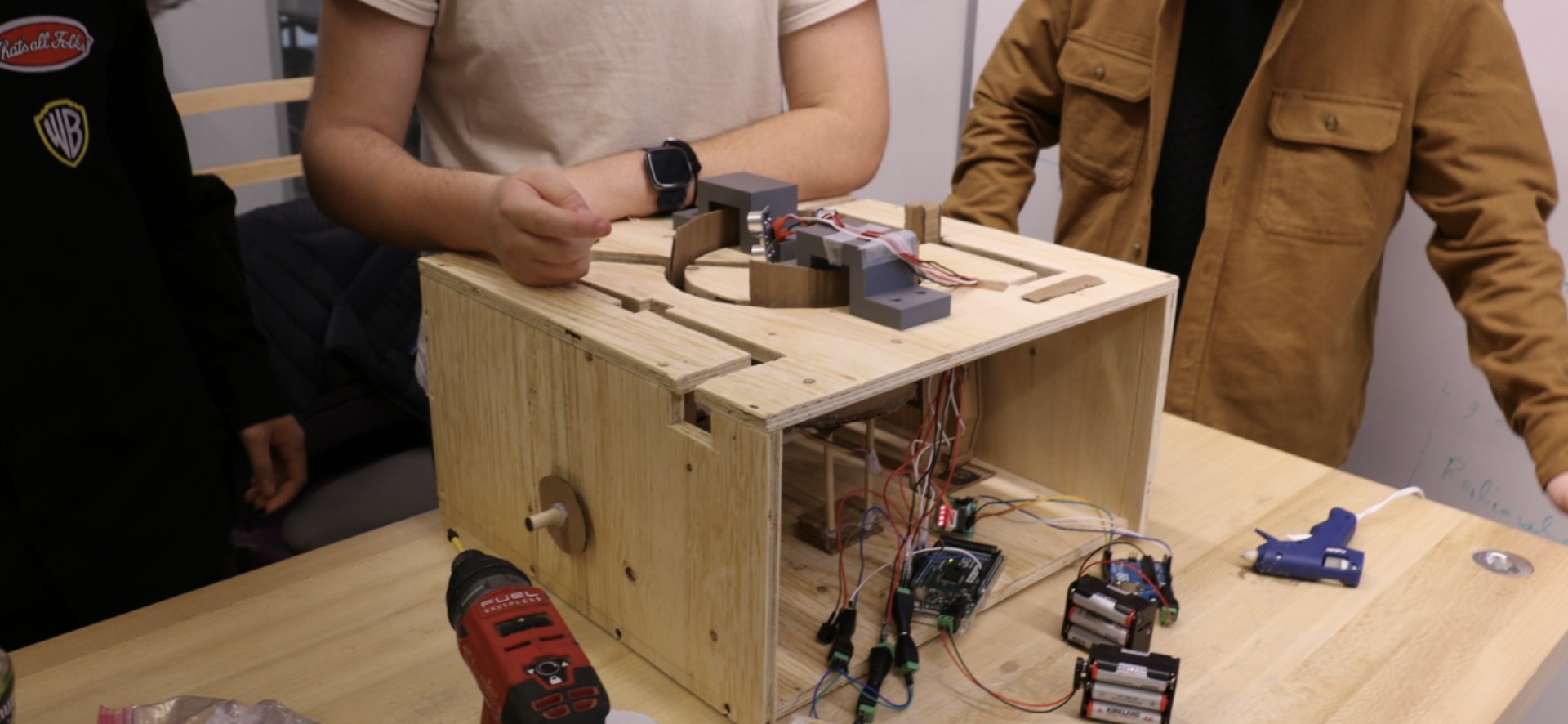
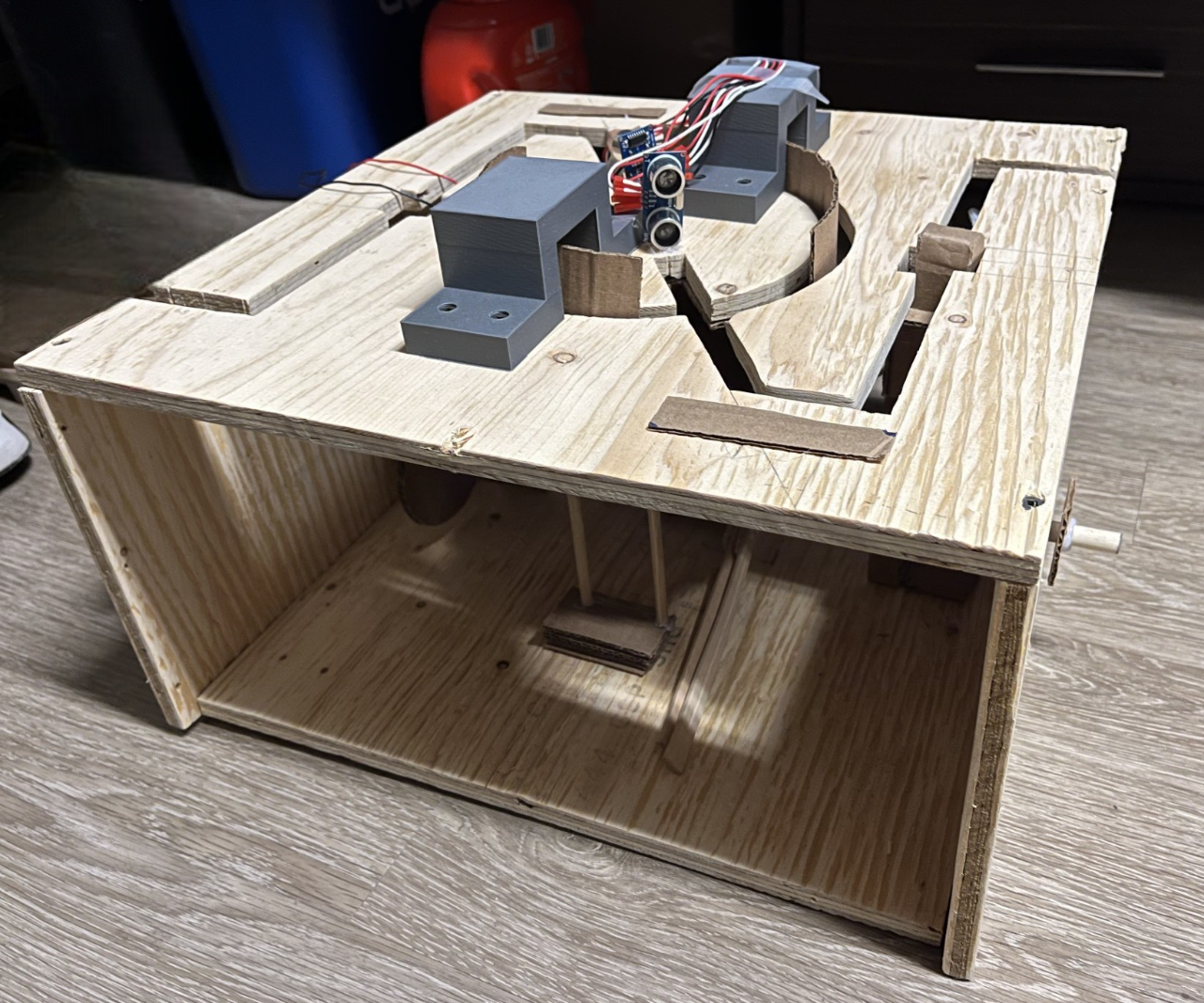
The Motorized Wooden Maze is a fast-paced 2-player game inspired by The Maze Runner, where rotating and shifting walls constantly reshape the labyrinth as players race to the center. This design project uses a stepper-driven central wall and a DC-motor crank mechanism to move vertical segments, with ultrasonic sensors detecting the winner and triggering sound effects.

Unlike static or tilt-based mazes, this Arduino-controlled design automates obstacle movement to challenge players' timing and strategy. Its precision-cut wooden construction ensures smooth gameplay and a durable, polished final build.
๐Ÿ“ธ Project Gallery

Explore the complete design and development process of the Motorized Mazeโ€”from initial concept sketches to final working prototype with various maze configurations.

๐ŸŽฎ Mechanical Design & Control System

Interactive gallery showcasing the mechanical design, servo integration, electronics, and testing phases.

โšก My Contributions

๐Ÿ”ง Mechanical Design & Fabrication

  • Planned maze layout including track paths, wall placement, and obstacle positioning to balance challenge and playability for ages 8โ€“12
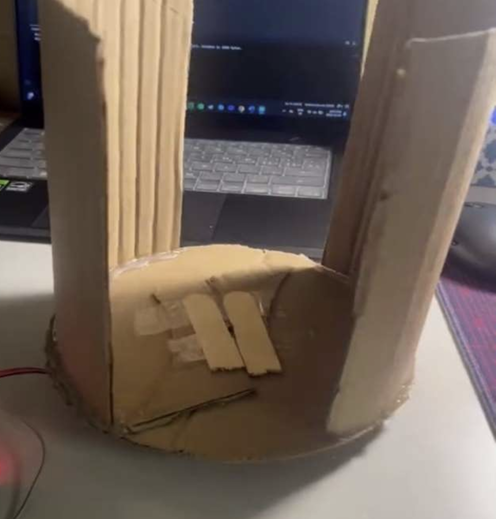
  • Evaluated material options from cardboard prototypes to final plywood construction, considering durability, cost, and manufacturability
  • Laser-cut and assembled plywood components following CAD dimensions, ensuring smooth figurine movement and precise fit
  • Integrated 3D-printed bridge structures to support the elevated goal area above the rotating center wall

๐Ÿ’ป Electronics & Programming

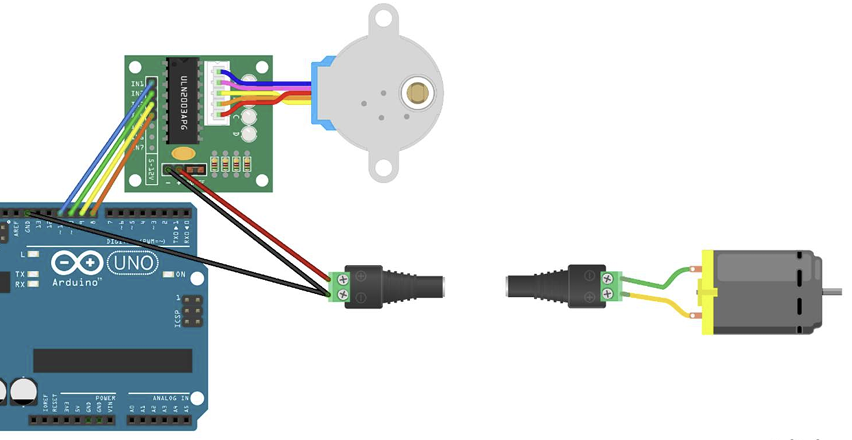
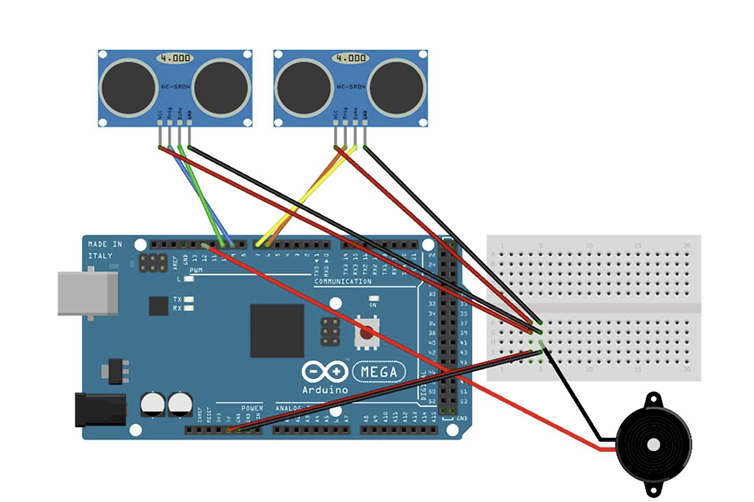
  • Wired Arduino boards, stepper motor drivers, motors, ultrasonic sensors, and buzzer following circuit schematics
  • Configured and tested stepper motor control logic, verifying correct pin assignments, step counts, and rotation speeds
  • Programmed ultrasonic sensor distance detection and buzzer activation logic for reliable goal detection
  • Debugged firmware issues related to timing, sensor accuracy, and motor responsiveness through iterative testing

๐Ÿ”ฌ Testing, Validation & Team Coordination

  • Conducted friction testing on maze tracks and refined sanding process to achieve smooth, consistent movement
  • Calibrated motor speeds and verified system performance met design specifications through repeated trials
  • Participated in gameplay testing sessions with users, collecting feedback on difficulty, engagement, and usability
  • Contributed to documentation, component tracking, and team coordination throughout design iterations

๐Ÿ’ก Design Journey

01
๐ŸŽฌ

Concept Development & Requirements

Inspiration Target Users Constraints Function Prioritization

๐Ÿ’ก Key Insight: Inspired by *The Maze Runner*, the team designed a competitive 2-player maze with dynamically moving walls. Requirements were defined around safety and engagement for ages 8โ€“12, prioritizing the revolving wall, vertical obstacles, and goal detection while setting measurable constraints for friction, speed, sound, and safety.

02
โš™๏ธ

Motor Selection & Mechanism Design

Motor Evaluation Stepper Control Crank Mechanisms Design Iteration

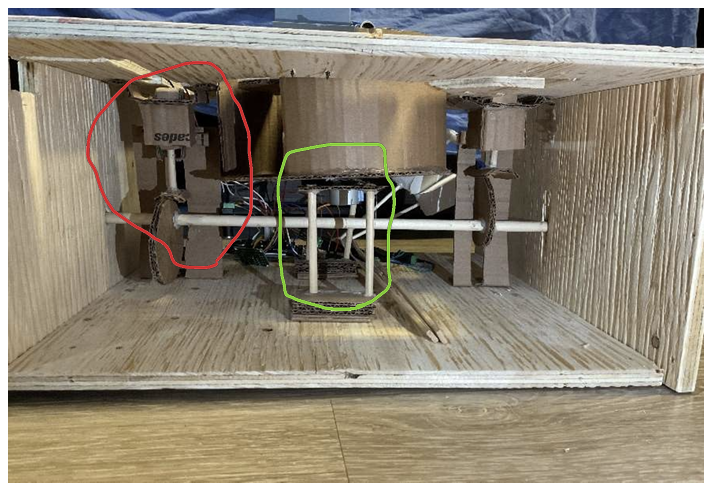
๐Ÿ’ก Key Insight: AC and DC motors lacked the precision needed for fair gameplay, leading to adoption of a stepper motor for the revolving wall. Vertical walls used a crankshaft mechanism driven by a single DC motor, converting rotation into linear motion while minimizing complexity and cost.

03
๐Ÿชต

Material Transition & Fabrication

Prototyping Laser Cutting Plywood Build Friction Control

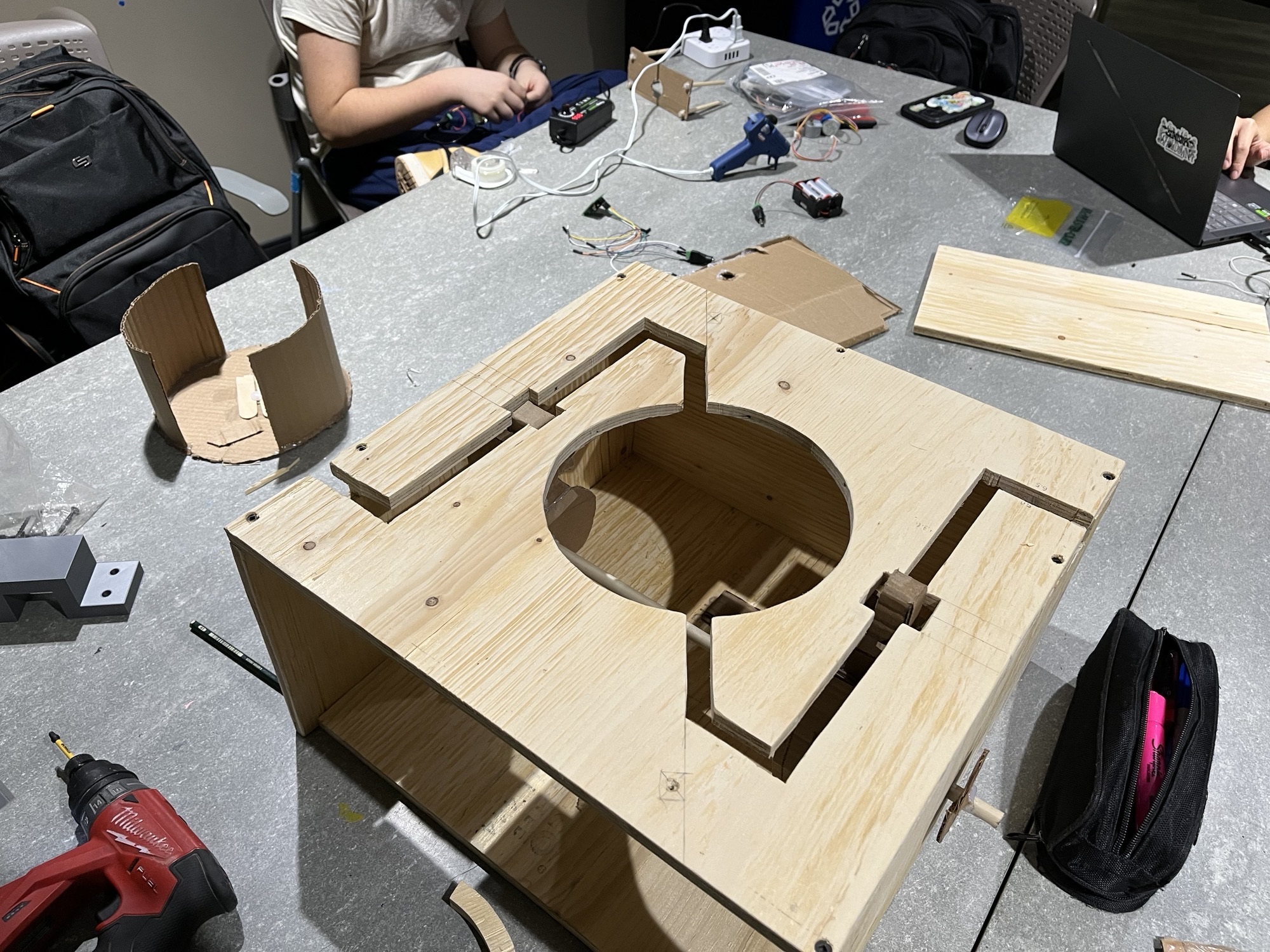
๐Ÿ’ก Key Insight: Cardboard enabled fast prototyping but lacked durability, prompting a transition to laser-cut plywood. Precision cutting ensured consistent gameplay, while extensive sanding reduced friction. Structural issues were solved using 3D-printed bridge supports, combining subtractive and additive manufacturing.

04
๐Ÿ’ป

Electronics Integration & Programming

Arduino Stepper Control Ultrasonic Sensors Circuit Design

๐Ÿ’ก Key Insight: A dual-Arduino setup separated motor control from sensing and sound, simplifying debugging. Stepper motor code enabled precise speed control, while ultrasonic sensors reliably detected goal completion. Power isolation and insulation ensured stable operation and child safety.